
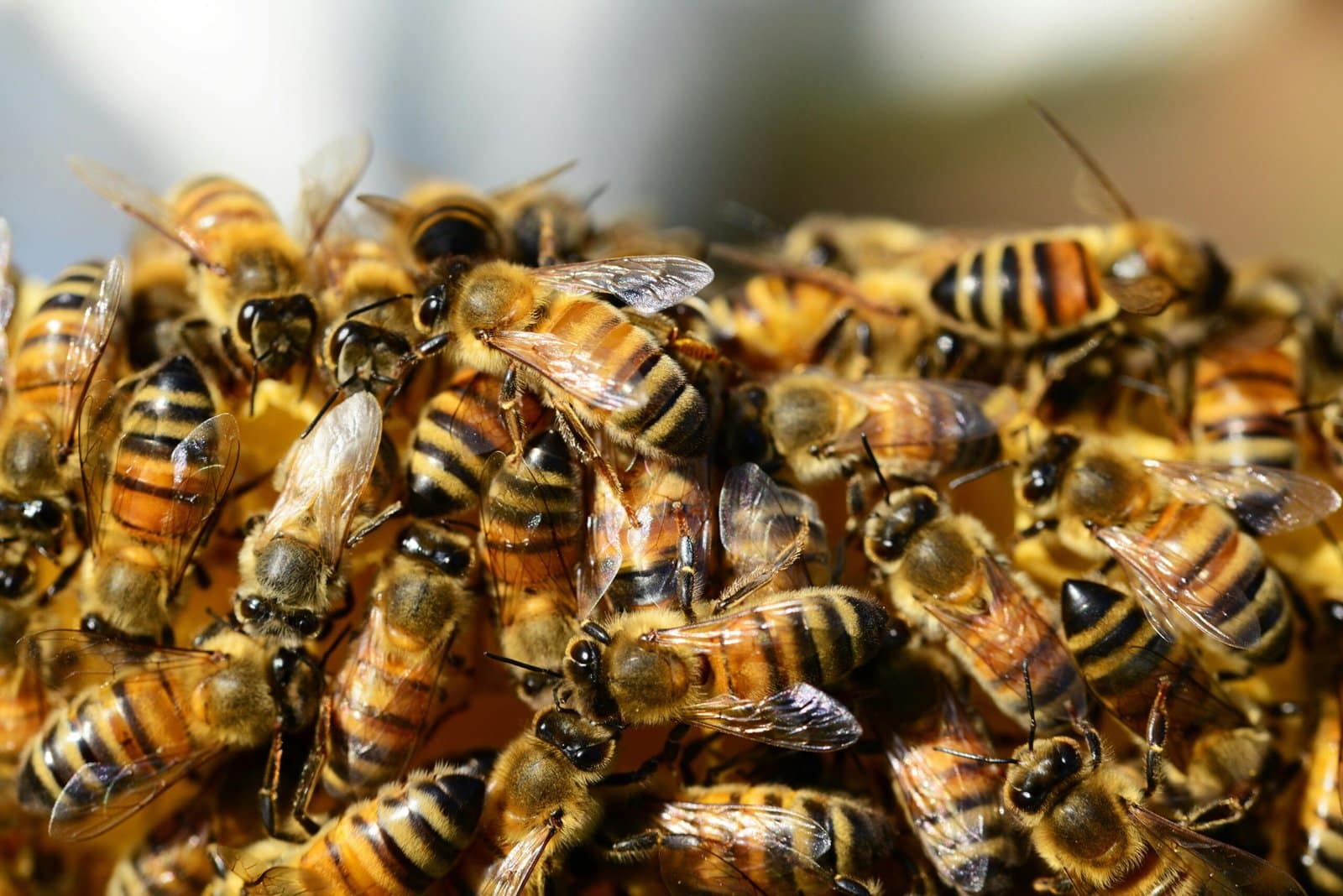
Honeybees (scientifically known as Apis species) are fascinating creatures that play a vital role in pollination and agricultural productivity. Understanding their biology is crucial for effective beekeeping and ecological conservation.
Overview of Honeybee Species
Honeybees belong to the genus Apis, and there are several recognized species, including:
Apis mellifera (Western Honeybee): The most commonly domesticated species used in beekeeping worldwide.
Apis cerana (Asian Honeybee): Native to South and Southeast Asia, known for adapting well to local conditions.
Apis dorsata (Giant Honeybee): Found in South Asia, it builds large open combs and is difficult to domesticate.
Apis florea (Dwarf Honeybee): A smaller species that constructs small nests, mostly in Asia.
Each species varies in behavior, nesting habits, and adaptability, but all contribute significantly to pollination.
Anatomy of Honeybees
Honeybees have a specialized anatomy suited to their roles in the colony and their ecological functions. Key features include:
1. Head
Antennae: Used for detecting scents, temperature, and humidity.
Compound Eyes: Provide a wide field of vision, helping bees navigate and locate flowers.
Mandibles: Used for chewing wax and manipulating objects.
Proboscis: A tubular structure for feeding on nectar.
2. Thorax
Wings: Honeybees have two pairs of wings that allow efficient flight and aerodynamics.
Legs: Equipped with structures like pollen baskets (corbiculae) to carry pollen back to the hive.
3. Abdomen
Stinger: Used for defense, though honeybees die after stinging.
Wax Glands: Located underneath the abdomen for producing wax to build combs.
Digestive System: Includes the crop (for carrying nectar) and stomach (for digestion).
Colony Structure
Honeybee colonies are highly organized social units. Each colony consists of three castes, each with distinct roles:
1. Queen Bee
The sole reproductive female in the colony.
Lays up to 2,000 eggs per day during peak seasons.
Releases pheromones to maintain colony unity and suppress other females from becoming queens.
2. Worker Bees
Sterile females responsible for most of the colony’s tasks:
Foraging for nectar, pollen, and water.
Feeding and caring for larvae.
Building combs and storing food.
Defending the hive against threats.
Lifespan: Roughly six weeks during active seasons.
3. Drones
Male bees whose sole purpose is to mate with the queen.
They lack stingers and foraging abilities.
Drones are typically expelled from the hive in winter when resources are scarce.
Colony Life Cycle
Honeybee colonies go through seasonal changes:
Spring: Rapid growth, and swarming may occur to form new colonies.
Summer: Peak activity with abundant foraging and honey production.
Autumn: Preparation for winter with honey storage.
Winter: Reduced activity; the colony clusters to maintain warmth.
Interesting Facts
Honeybee colonies operate with remarkable efficiency, driven by communication through pheromones and the famous “waggle dance.”
Despite their industrious nature, honeybee populations face threats like habitat loss, diseases, and pesticides.
These notes provide a solid foundation for understanding honeybee biology, their species diversity, anatomy, and the intricacies of their colony structure.