
Introduction to Beekeeping
Beekeeping, or apiculture, is the management and care of honeybee colonies, usually in man-made hives, to harvest products like honey, beeswax, pollen, and royal jelly, as well as to support pollination for agriculture. Understanding the ecological importance of bees and mastering the basics of apiary management are essential for successful beekeeping.
The Role of Bees in Ecosystems
Bees, particularly honeybees, are crucial pollinators in ecosystems. Their contributions include:
Pollination Services: Bees transfer pollen between flowers, enabling fertilization. This supports the reproduction of plants and contributes to biodiversity.
Agricultural Benefits: Bees pollinate crops like apples, almonds, and berries, directly affecting food security and agriculture economies.
Maintaining Balance in Ecosystems: By aiding plant reproduction, bees sustain the food chains of various species, including humans.
Threats to Bees:
Habitat loss due to urbanization and agriculture.
Use of pesticides and chemicals in farming.
Climate change disrupting natural flowering cycles.
Diseases and pests like the Varroa mite.
Protecting bees is not just about preserving their species but maintaining the balance of ecosystems globally.
Basics of Apiary Management
Setting up and managing an apiary (a place where beehives are kept) requires careful planning and consistent attention.
1. Choosing a Location
Ensure the site receives ample sunlight, is sheltered from strong winds, and has a nearby source of water.
Place the apiary away from high-traffic areas for safety.
2. Essential Equipment
Hives: Langstroth hives are most common for beginner beekeepers.
Protective Gear: Bee suit, gloves, and a veil for personal safety.
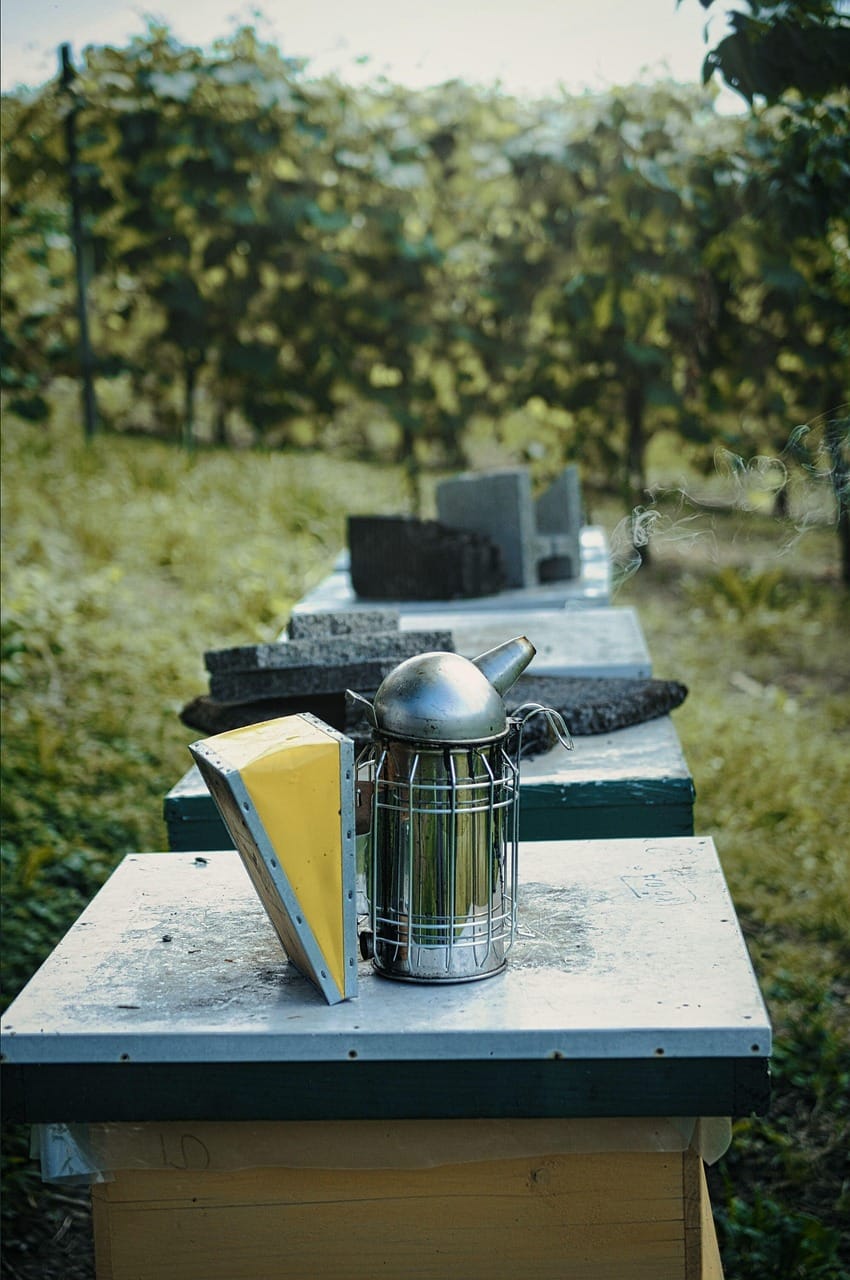
Smoker: Used to calm bees during inspections.
Hive Tool: For opening hives and scraping combs.
3. Acquiring Bees
Obtain bees from reputable suppliers through nucleus colonies (nucs) or packaged bees.
Introduce the bees to the hives during early spring when flowers start blooming.
4. Hive Maintenance
Conduct regular hive inspections to monitor for health, pests, and adequate food supplies.
Ensure proper ventilation and space to prevent swarming, a natural process where part of the colony leaves to start a new hive.
5. Bee Nutrition
Provide supplemental feeding (sugar syrup) during periods of scarcity, like winter.
Avoid chemical treatments that might harm the bees.
6. Honey Harvesting
Harvest honey during peak seasons, typically late summer or early autumn.
Leave enough honey in the hive for the bees to survive the winter.
Best Practices in Sustainable Beekeeping
Promote biodiversity by planting bee-friendly flowers.
Avoid using harmful pesticides in the vicinity of hives.
Educate the community about the importance of bees to encourage conservation efforts.
Support research into bee health and breeding practices to improve resilience.
Benefits of Beekeeping
Economic gains from selling honey and other hive products.
Enhanced pollination for local gardens or crops.
A rewarding experience fostering a deeper connection with nature.
These notes provide an overview of the ecological significance of bees and practical guidance on how to start and maintain an apiary. Beekeeping is a fulfilling pursuit that not only benefits the beekeeper but also supports environmental conservation efforts globally.