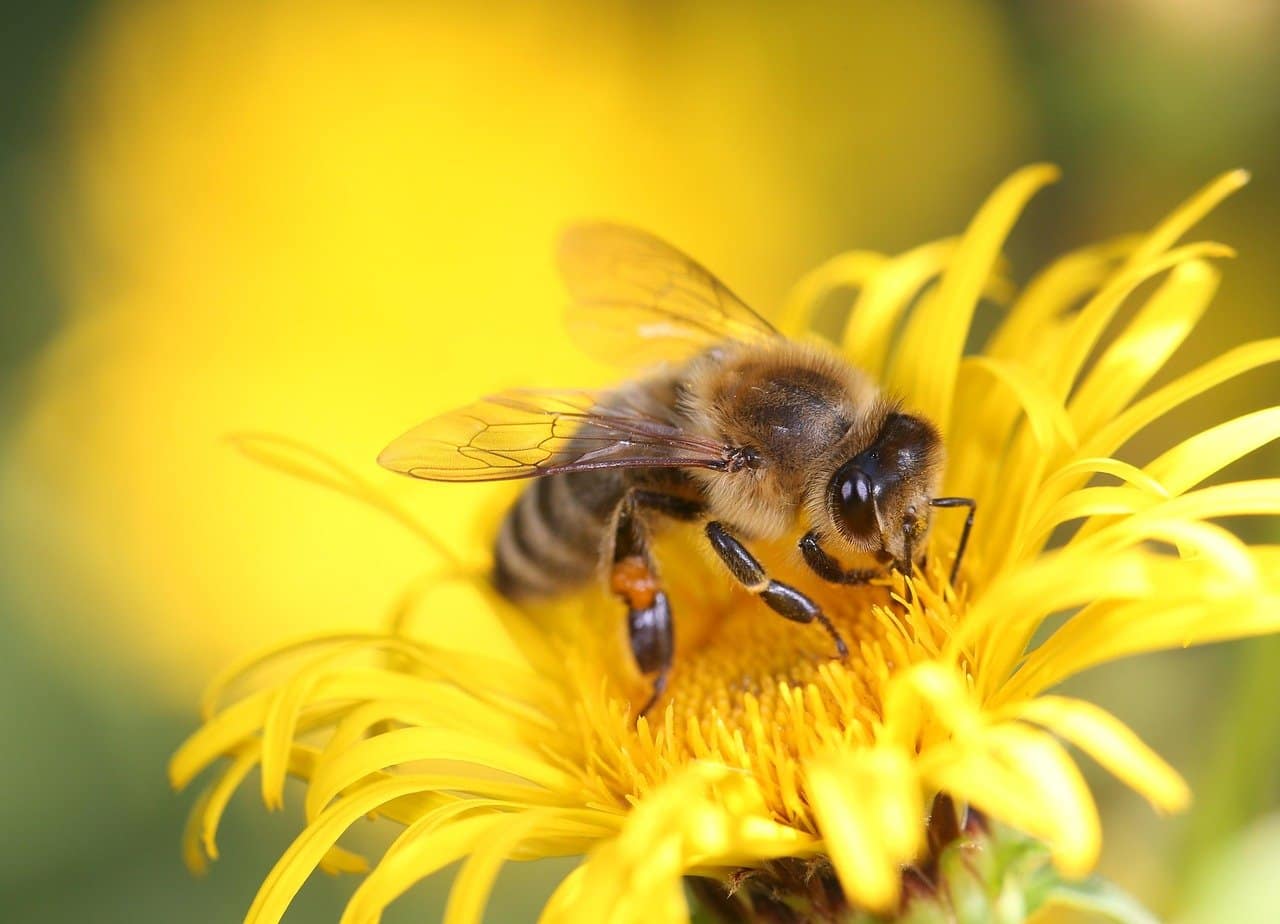
Pollination services involve the intentional use of bees, particularly honeybees, to enhance crop pollination and improve agricultural yields. This practice is a cornerstone of apiary farming and agricultural productivity worldwide.
1. Importance of Pollination
What Is Pollination?
Pollination is the transfer of pollen from the male part of the flower (anther) to the female part (stigma), enabling fertilization and seed production. Bees are among the most effective pollinators due to their behavior and anatomy.
Role of Bees in Pollination:
Cross-Pollination: Bees visit multiple flowers, facilitating the exchange of genetic material and increasing crop quality and resilience.
High Efficiency: Bees are attracted to flowers with nectar, ensuring consistent and widespread pollination.
Improved Yields: Crops pollinated by bees often show enhanced fruit size, higher yields, and better-quality produce.
2. Benefits of Pollination Services in Apiary Farming
For Farmers:
Increased crop yields and income from higher-quality produce.
Reduced reliance on artificial pollination methods, lowering costs.
For Beekeepers:
Beekeepers earn revenue by renting hives to farmers for pollination services.
Promotes healthy bee colonies by providing diverse floral resources.
For Ecosystems:
Supports biodiversity through the growth of pollinated plants.
Helps maintain the balance of local food chains.
3. Crops That Benefit from Bee Pollination
Honeybees play a crucial role in pollinating a wide variety of crops, including:
Fruits: Apples, pears, cherries, oranges, melons.
Vegetables: Cucumbers, pumpkins, squash.
Nuts: Almonds, macadamias.
Seeds: Sunflowers, clover.
4. Integrating Pollination Services into Apiary Farming
Preparing Hives for Pollination:
Ensure colonies are strong and healthy to optimize pollination efficiency.
Position hives strategically within the farm to maximize coverage.
Setting Up Pollination Contracts:
Collaborate with farmers to agree on hive placement, duration of pollination, and payment terms.
Educate farmers on the benefits of bee pollination for their crops.
Monitoring Pollination:
Track hive activity during the pollination period to ensure optimal performance.
Provide supplemental feeding to maintain bee strength if floral resources are limited.
5. Challenges and Solutions
Challenges:
Pesticide Risks: Exposure to harmful chemicals can weaken or kill bees.
Competition: Other pollinators or invasive species may disrupt honeybee activity.
Colony Health: Diseases and pests can reduce the efficiency of pollination services.
Solutions:
Educate farmers on bee-safe pesticide practices.
Regularly inspect and maintain hives to ensure bee health.
Rotate hives and diversify forage areas to avoid stress on colonies.
6. Sustainable Pollination Practices
Plant bee-friendly crops and wildflowers near farms to provide additional forage.
Avoid overworking colonies by limiting hive rentals to manageable levels.
Invest in research and innovation to improve pollination techniques and bee health.
Conclusion
Pollination services are a vital component of apiary farming, benefiting farmers, beekeepers, and ecosystems. By effectively managing hives and collaborating with agricultural stakeholders, beekeepers can unlock the full potential of bees as nature’s most efficient pollinators.