Effective pest and disease control is essential for maintaining the health and productivity of honeybee colonies. Beekeepers must learn to identify, prevent, and manage common problems that can threaten colonies.
1. Varroa Mites
Varroa mites (Varroa destructor) are one of the most devastating pests in apiary farming. These external parasites feed on the bodily fluids of bees and transmit harmful viruses.
Identification:
Visible as reddish-brown mites on adult bees or in brood cells.
Symptoms include:
Bees with deformed wings (a sign of Deformed Wing Virus).
Poor brood patterns or colony decline.
Prevention:
Regular hive inspections to monitor mite populations.
Use screened bottom boards to allow fallen mites to drop out of the hive.
Practice drone brood trapping, as mites prefer drone cells for reproduction.
Select mite-resistant bee stocks with hygienic behaviors.
Treatment:
Chemical Control:
Use miticides like oxalic acid, formic acid, or thymol. Follow dosage instructions carefully to avoid harming bees.
Non-Chemical Methods:
Implement powdered sugar dusting to encourage grooming behavior.
Conduct a brood break by temporarily removing the queen to disrupt the mite’s reproductive cycle.
2. American Foulbrood (AFB)
American Foulbrood is a bacterial disease caused by Paenibacillus larvae, which affects bee larvae and can spread rapidly within and between colonies.
Identification:
Symptoms:
Sunken and perforated brood caps.
Decaying larvae that appear brown and have a foul smell.
A “ropy” test confirms AFB: infected brood produces a sticky, rope-like substance when probed.
Prevention:
Avoid purchasing used beekeeping equipment to reduce contamination risks.
Regularly inspect hives for symptoms, especially during brood-rearing periods.
Treatment:
Severe Cases:
Burn infected colonies and equipment to prevent further spread, as recommended by local regulations.
Antibiotics:
Administer approved antibiotics like oxytetracycline in regions where its use is permitted (note: antibiotics only suppress symptoms, they do not cure AFB).
3. Additional Pests and Diseases
Wax Moths:
Identification:
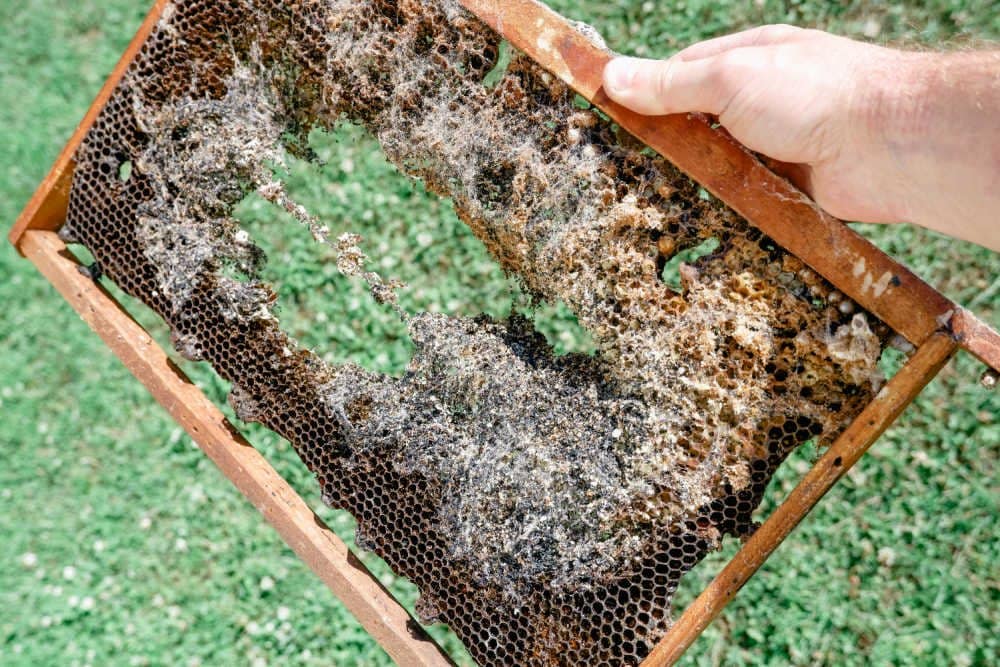
Webbing, tunnels, and visible moth larvae in combs.
Prevention:
Store unused combs in airtight containers.
Keep strong colonies that can fend off moths.
Treatment:
Freeze affected combs to kill larvae.
Small Hive Beetles:
Identification:
Beetles and larvae visible in hives, causing damage to combs.
Prevention:
Use traps and maintain strong colonies to control beetle populations.
Treatment:
Apply chemical treatments sparingly and as a last resort.
Chalkbrood:
Identification:
Mummified larvae caused by fungal infection (Ascosphaera apis).
Prevention:
Ensure proper ventilation and avoid damp conditions in hives.
Treatment:
Remove and destroy infected frames.
4. General Preventative Measures
Hygiene and Sanitation:
Clean and disinfect tools and equipment regularly.
Remove dead bees and debris from hives.
Strengthen Colonies:
Maintain strong colonies with adequate food supplies and space.
Educate and Collaborate:
Share information with local beekeepers to stay informed about disease outbreaks and best practices.
Bee Stock Selection:
Use queens from disease-resistant bee stocks to increase colony resilience.
Monitoring and Record-Keeping:
Keep detailed records of inspections and treatments to identify trends and improve management practices.
5. Integrated Pest Management (IPM)
IPM involves combining multiple strategies for sustainable pest control:
Rotate treatments to avoid resistance.
Use mechanical methods like screened bottom boards alongside biological and chemical controls.
Monitor pest levels to determine when interventions are necessary.
Conclusion
By identifying and addressing pests and diseases early, using preventative measures, and employing effective treatments, beekeepers can maintain the health and productivity of their colonies. These practices contribute to sustainable apiary farming and support broader pollinator conservation efforts.