
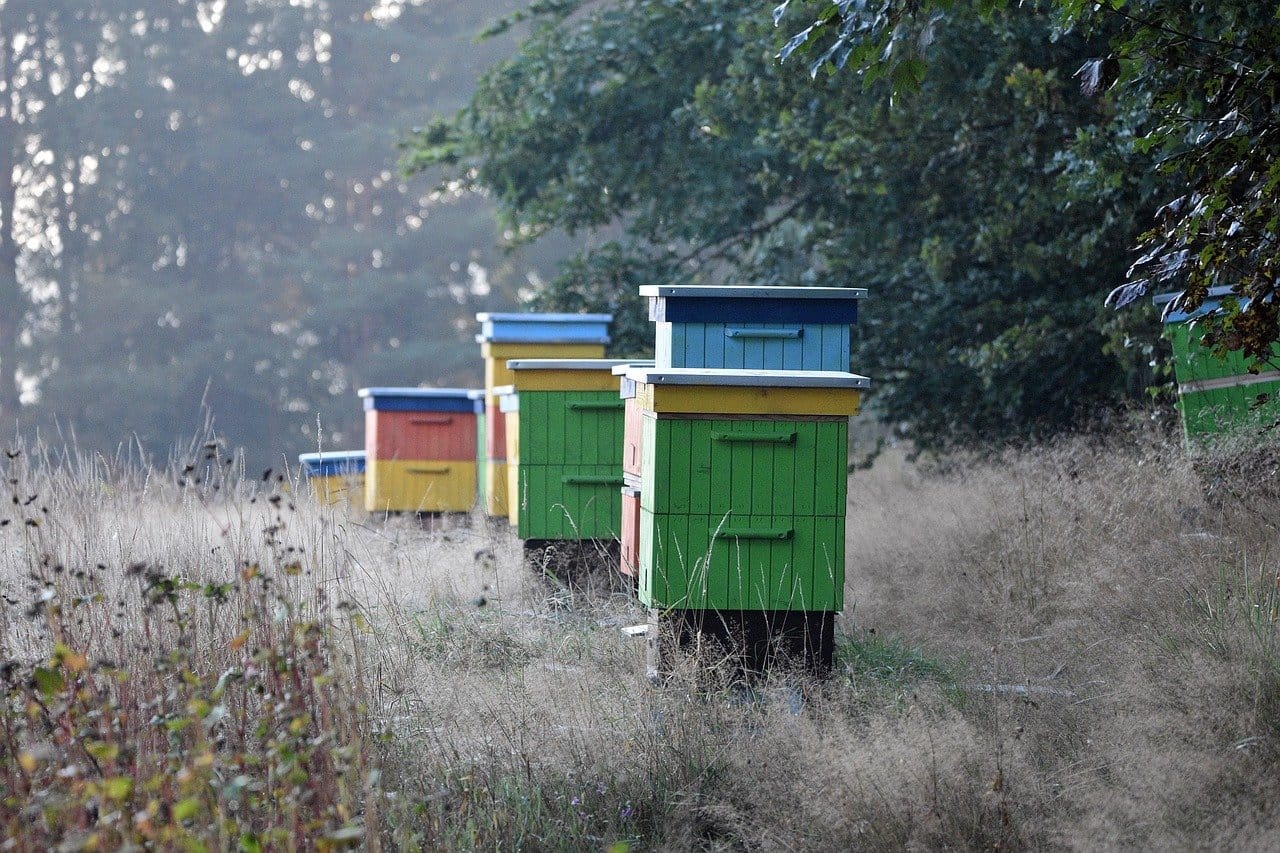
Running large-scale apiary operations involves managing multiple beekeeping sites, ensuring colony health, optimizing productivity, and handling logistical challenges. This requires strategic planning, efficient resource management, and a keen understanding of bee behavior and industry demands.
1. Planning and Setting Up Multiple Apiaries
Selecting Locations:
Ensure each apiary site has abundant forage resources like flowers, trees, and crops.
Choose locations with access to clean water sources and sheltered areas to protect hives from extreme weather.
Position apiaries away from urban areas or high-traffic zones for safety and reduced stress on bees.
Spacing:
Place apiaries at least 3–5 kilometers apart to avoid competition among colonies and maximize forage availability.
Assessing Capacity:
Determine the number of hives each site can support based on forage and environmental conditions.
Site Infrastructure:
Build or install necessary infrastructure, such as hive stands, storage areas, and water stations.
Implement fencing or barriers to protect apiaries from predators and vandalism.
2. Hive Management Across Multiple Apiaries
Scheduling Hive Inspections:
Plan a schedule for inspecting each site to monitor colony health and productivity.
Rotate inspection visits to ensure consistent oversight.
Disease and Pest Control:
Implement regular health checks and pest management practices for all hives.
Use standardized protocols across sites for treating issues like Varroa mites or American foulbrood.
Feeding and Nutrition:
Assess food supply at each site and provide supplemental feeding when necessary (e.g., sugar syrup during scarcity).
Monitor forage availability to identify sites with potential deficiencies.
Preventing Swarming:
Regularly assess colony space and expand hives by adding boxes or supers.
Split overcrowded colonies to prevent swarming.
3. Logistics and Transportation
Moving Hives:
Use bee-friendly methods and equipment to transport hives between locations when needed (e.g., to pollinate crops or avoid resource depletion).
Secure hives during transport to prevent injury to bees and protect against hive damage.
Equipment Management:
Maintain adequate supplies and spare parts for hive components, feeding tools, and pest control equipment.
Centralize storage for shared equipment and distribute items as needed across sites.
Record-Keeping and Coordination:
Keep detailed records of hive performance, health, and production at each site.
Use technology like apiary management software or apps to streamline tracking and communication.
Workforce Management:
Hire and train staff to assist with hive maintenance, honey harvesting, and logistics.
Assign designated personnel to manage specific apiary sites and coordinate tasks.
4. Honey Harvesting and Processing at Scale
Harvesting Across Multiple Sites:
Schedule honey harvesting based on the productivity of each apiary.
Use automated extraction equipment to process large quantities of honey efficiently.
Storage and Transportation:
Ensure proper storage facilities for harvested honey, protecting it from contamination or spoilage.
Transport honey to processing facilities using hygienic and temperature-controlled methods.
Quality Control:
Implement standardized processes for filtering, processing, and bottling honey to ensure consistent quality.
5. Marketing and Sales at Scale
Branding:
Develop a unified brand for products sourced from all apiaries, emphasizing sustainability and natural production.
Distribution Channels:
Sell through multiple channels, including retail outlets, online platforms, and bulk distribution to businesses.
Export honey and by-products to international markets if feasible.
Value-Added Products:
Expand offerings to include items like beeswax candles, propolis tinctures, and pollen supplements.
6. Challenges and Solutions
Challenges:
Coordination:
Managing multiple sites can be logistically complex.
Resource Allocation:
Uneven forage distribution may lead to resource depletion in some sites.
Hive Health Risks:
Increased exposure to pests, diseases, or adverse weather conditions across multiple sites.
Solutions:
Invest in technology (e.g., GPS mapping, remote hive sensors) to monitor sites and optimize logistics.
Rotate hives to balance forage usage across locations.
Develop contingency plans for emergencies like natural disasters or disease outbreaks.
7. Sustainable Practices
Eco-Friendly Operations:
Avoid overworking bees by limiting hive numbers at each site.
Promote biodiversity by planting native flowering plants near apiaries.
Community Engagement:
Work with local farmers or landowners to secure forage access and promote conservation efforts.
Conclusion
Managing large-scale apiary operations requires meticulous planning, logistical expertise, and sustainable practices. By ensuring efficient management across multiple sites, maintaining hive health, and optimizing production processes, beekeepers can build a thriving and scalable business.