
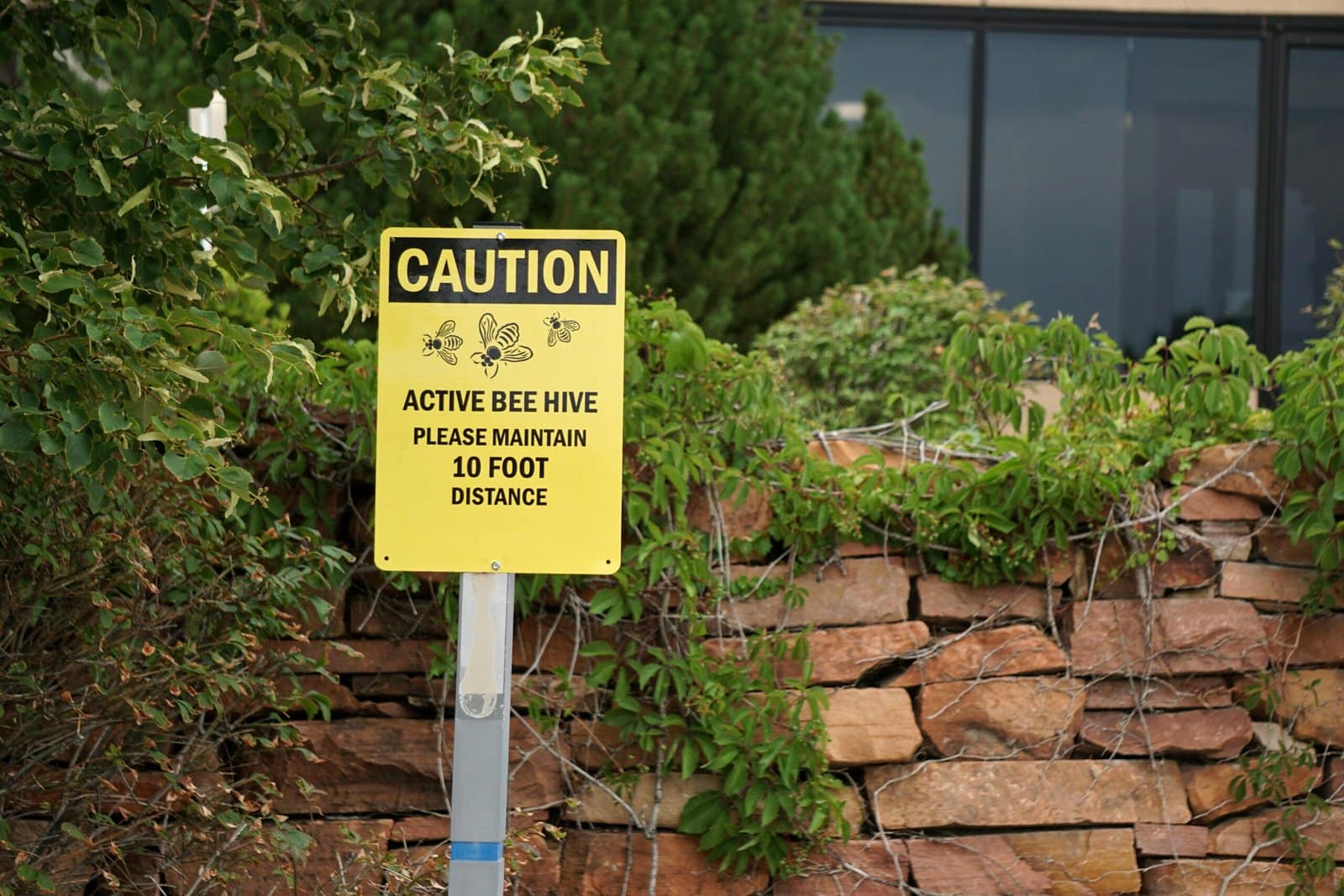
Working with bees requires careful handling and the use of protective gear to ensure both your safety and the well-being of the bees. Following proper safety practices is essential for successful and stress-free beekeeping.
1. Understanding Bee Behavior
Knowing how bees behave helps in predicting their reactions and handling them appropriately.
Key Bee Behavioral Traits:
Protective Nature: Bees are naturally defensive of their hive and will respond aggressively to perceived threats.
Sensitivity to Smells: Bees are highly sensitive to odors; avoid wearing strong perfumes or scented products near hives.
Reactions to Movement: Sudden or erratic movements can agitate bees. Stay calm and move gently around them.
Weather and Time Sensitivity: Bees are more active on sunny days and during mid-morning to early afternoon. Avoid handling bees during rain, windy conditions, or late evenings.
2. Safe Handling Techniques
Adopting proper handling techniques minimizes the risk of stings and stress to the bees.
Tips for Safe Bee Handling:
Use a Smoker: Lightly puff smoke near the hive entrance and frames to calm the bees before opening the hive.
Inspect Hives Gently: Open hives slowly and avoid dropping or banging hive components.
Work Quickly but Calmly: Minimize the time the hive is open to avoid disturbing the colony.
Avoid Blocking Hive Entrance: Bees use the entrance continuously; keep it clear to avoid triggering defensive behavior.
Handle Frames Carefully: Avoid jarring or shaking frames, as this can upset the bees.
3. Protective Gear
Protective gear is a vital part of beekeeping, shielding you from stings and enhancing your confidence during hive inspections.
Essential Protective Gear:
Bee Suit: A full-body suit made of thick fabric to prevent stings. Make sure it fits well and covers all areas.
Gloves: Protect your hands from stings while handling frames and tools. Leather or rubber gloves are commonly used.
Veil: Covers your face and neck, protecting sensitive areas from stings while ensuring clear visibility.
Boots: Sturdy boots that can be tucked into the bee suit to prevent bees from crawling inside.
Smoker: Not worn, but it is essential for calming bees and reducing defensive behavior.
Proper Use of Gear:
Inspect your gear regularly for holes or wear and tear.
Ensure all openings (e.g., sleeves, pant legs) are tightly sealed to prevent bees from entering.
Keep gear clean to avoid attracting bees with residual odors or stains.
4. Responding to Bee Stings
Despite precautions, stings can occasionally occur. Knowing how to respond is crucial.
Steps to Handle Bee Stings:
Remove the Stinger: Scrape it off gently with a fingernail or card; avoid squeezing it as this releases more venom.
Clean the Area: Wash the sting site with soap and water to reduce the risk of infection.
Apply a Cold Compress: This helps reduce swelling and discomfort.
Monitor for Allergic Reactions: Seek medical attention if symptoms like difficulty breathing, severe swelling, or dizziness occur.
5. Ensuring Bee Safety
Safety practices should also prioritize the well-being of the bees.
Do’s for Bee Safety:
Use gentle handling techniques to avoid crushing bees.
Avoid harsh chemicals or sprays near the hives.
Work during favorable weather conditions to minimize stress on the colony.
Don’ts for Bee Safety:
Never disturb hives unnecessarily.
Don’t work with bees if you’re feeling anxious or unprepared.
Avoid wearing dark colors, as bees are more likely to perceive them as threats.
Best Practices for Bee Safety
Always approach hives with calm confidence.
Regularly educate yourself on bee behavior and management techniques.
Share safety practices with others in the vicinity of your apiary.
By understanding bee behavior, using protective gear, and handling bees gently, you can ensure a safe and enjoyable beekeeping experience for both you and your buzzing companions.