
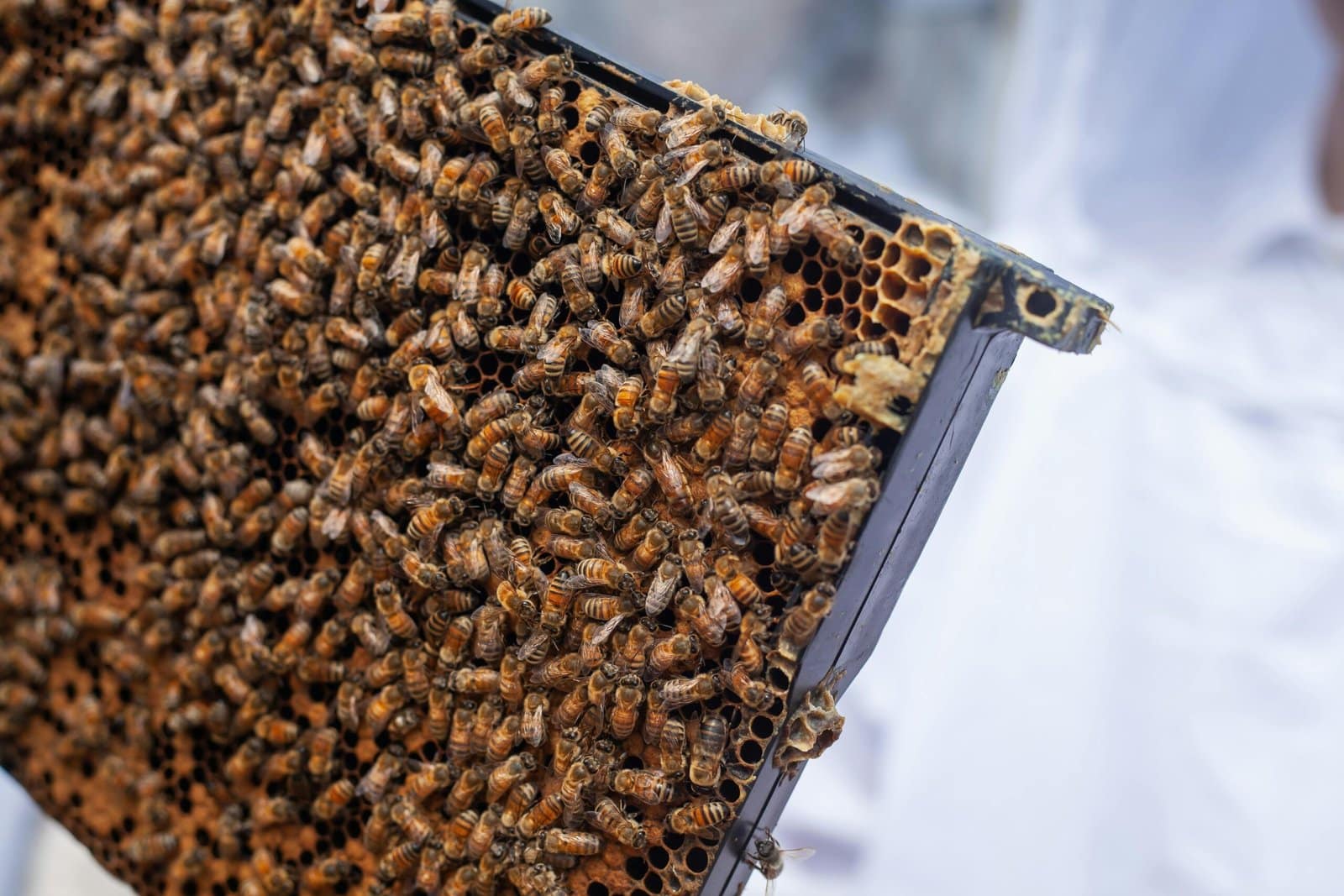
Queen rearing is the process of raising and managing queen bees to ensure the strength, productivity, and health of honeybee colonies. Skilled queen rearing enables beekeepers to maintain or increase colony numbers, improve bee genetics, and address issues like queen loss.
1. Why Queen Rearing Is Important
Colony Leadership: The queen plays a vital role in regulating colony behavior and reproduction by laying eggs and producing pheromones.
Genetic Improvement: Rearing queens allows beekeepers to select desirable traits such as disease resistance, productivity, or docility.
Swarm Control: Providing new queens helps prevent swarming caused by overcrowding or queen loss.
Colony Expansion: Enables the creation of new colonies for pollination or honey production.
2. Methods for Queen Rearing
There are several techniques beekeepers use to raise queen bees. These range from simple methods for hobbyists to advanced practices for commercial apiary farming.
a. Natural Queen Rearing
Description: Bees naturally rear queens when the current queen is failing, missing, or during swarming.
Steps:
Identify queen cells constructed by bees (swarm cells, supersedure cells, or emergency cells).
Transfer frames with queen cells to nucleus colonies (small hives) to allow queens to emerge.
Advantages: Minimal intervention required; simple for beginners.
Disadvantages: Limited control over timing and genetics.
b. Grafting Method
Description: The beekeeper manually moves young larvae from worker brood cells into artificial queen cell cups.
Steps:
Identify larvae less than 24 hours old in brood combs.
Use a grafting tool to transfer larvae into queen cell cups.
Place the cups in a cell starter colony (strong colony with no queen) for the bees to feed and develop the larvae into queens.
Advantages: High level of control over genetics and timing.
Disadvantages: Requires skill and specialized equipment.
c. Jenter or Cupkit Method
Description: Uses a plastic device with built-in cell cups to raise queens without grafting.
Steps:
Insert the queen into the device to lay eggs directly in the cups.
Transfer the cups to starter colonies after the eggs hatch.
Advantages: Eliminates the need for grafting; easier for beginners.
Disadvantages: Higher equipment costs.
d. Emergency Queen Rearing
Description: The colony raises a queen from larvae after the original queen is lost.
Steps:
Provide a frame with young larvae to a queenless colony.
Monitor colony activity to ensure queen cell development.
Advantages: Simple and cost-effective.
Disadvantages: Less control over the genetics of the new queen.
3. Managing Queen Bees
Proper management ensures the successful introduction and development of queens in colonies.
a. Introducing Queens
Newly Mated Queens:
Place the queen in a cage with candy for a slow-release introduction to the colony.
Monitor for acceptance by observing worker bee behavior.
Virgin Queens:
Use a small nucleus colony to provide proper mating conditions.
Allow 1–2 weeks for mating flights before introducing the queen to larger hives.
b. Monitoring Queen Health
Regularly check for egg-laying patterns to ensure the queen is productive.
Inspect for signs of disease or injury in the queen.
4. Tools and Equipment for Queen Rearing
Grafting Tool: Used for transferring larvae into queen cell cups.
Queen Cell Cups: Plastic or wax cups for queen development.
Jenter Kit or Cupkit System: Specialized devices for non-grafting queen rearing.
Nucleus Hive Boxes: Small hives for raising queens or mating virgin queens.
Queen Cage: For introducing queens to colonies.
5. Challenges and Solutions
Challenges:
Poor queen acceptance by colonies.
Lack of mating opportunities due to bad weather.
Low success rates in grafting or transferring larvae.
Solutions:
Use pheromone sprays to encourage queen acceptance.
Create mating yards in areas with good weather and abundant drones.
Practice grafting techniques to improve accuracy and success rates.
6. Record-Keeping in Queen Rearing
Maintaining detailed records helps monitor queen productivity, genetics, and colony performance.
What to Record:
Traits selected for breeding (e.g., disease resistance, temperament).
Dates of queen cell development and introduction.
Success rates of queen acceptance and mating.
Conclusion
Queen rearing is a rewarding and vital skill in beekeeping, enabling control over colony genetics, preventing swarming, and expanding apiaries. By employing various methods and best practices, beekeepers can efficiently raise and manage queens to ensure the long-term success of their colonies.