
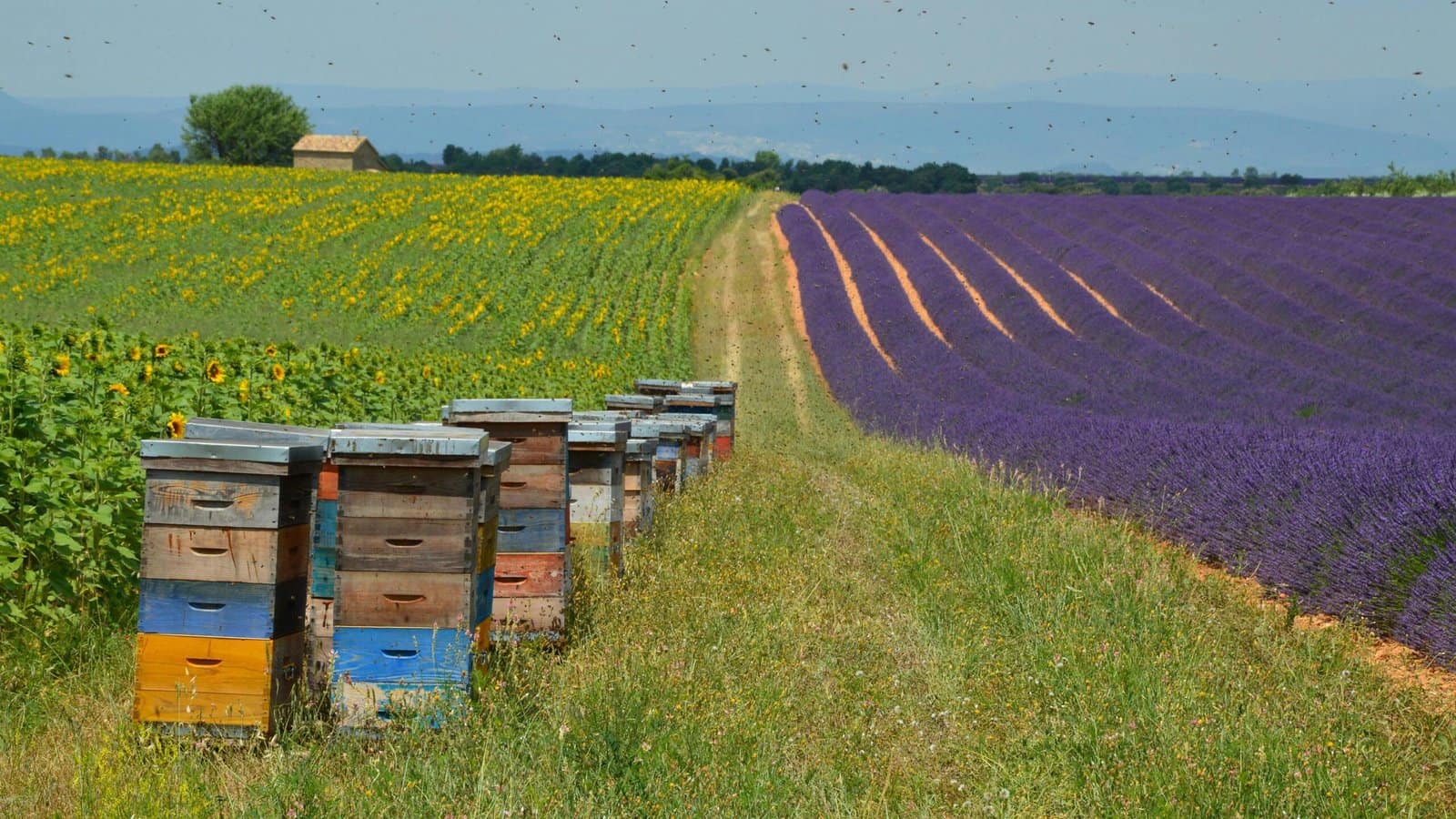
Selective breeding in apiary farming focuses on improving desirable traits within honeybee populations, such as increased honey production, disease resistance, and docile behavior. This process enhances colony performance and sustainability while addressing challenges like pests and climate change.
1. Importance of Selective Breeding
Selective breeding allows beekeepers to:
Improve Colony Health: By reducing susceptibility to diseases and pests like Varroa mites.
Enhance Productivity: By promoting traits that boost honey and pollen collection.
Optimize Behavior: By selecting for calm, manageable bees, making hive management easier.
Adapt to Environment: By encouraging genetic traits suited to specific climates and ecological conditions.
2. Traits to Select for in Honeybees
Desirable Traits:
Disease Resistance:
Bees with hygienic behavior that remove infected larvae from the hive.
Resistance to pests like Varroa mites or Nosema infections.
Honey Production:
High foraging efficiency and nectar collection.
Large colonies with robust worker populations.
Temperament:
Calm and docile bees that are easy to handle.
Reduced swarming tendencies.
Winter Survival:
Ability to conserve resources and survive harsh winters.
Pollination Efficiency:
Enhanced ability to pollinate a variety of crops.
3. Methods of Selective Breeding
a. Queen Selection:
Choose queens from colonies exhibiting desirable traits (e.g., high honey yield or disease resistance).
Record queen lineage and performance to track genetic improvements.
b. Controlled Mating:
Use mating yards isolated from other colonies to control which drones mate with selected queens.
Focus on drones from colonies with desired traits.
c. Instrumental Insemination:
Artificially inseminate queens with sperm from selected drones to ensure genetic control.
Requires specialized equipment and skills.
d. Natural Selection:
Allow colonies to rear queens naturally but ensure the presence of drones from desirable colonies.
e. Crossbreeding:
Combine traits from different bee subspecies to optimize performance.
Example: Hybrid bees like Buckfast bees.
4. Challenges in Selective Breeding
Genetic Diversity:
Excessive focus on specific traits can reduce genetic diversity, increasing susceptibility to new diseases or environmental changes.
Drone Competition:
Difficulty in controlling mating when drones from undesired colonies are present.
Time and Cost:
Breeding programs require significant time, effort, and resources.
5. Best Practices for Apiary Breeding
Record-Keeping:
Maintain detailed records of queen performance, colony health, and productivity.
Genetic Diversity:
Include colonies with varied traits to prevent inbreeding.
Collaboration:
Work with other beekeepers or research institutions to access better genetic resources.
Disease Monitoring:
Regularly check colonies for signs of disease and implement hygiene practices.
6. Tools and Equipment for Breeding
Queen Cages: For isolating queens during mating.
Nucleus Hives: Small hives used to rear queens.
Instrumental Insemination Equipment: For controlled mating.
Markers: To tag queens and track their lineage.
7. Ethical Considerations
Avoid overexploiting colonies during the breeding process.
Balance breeding goals with the need to maintain biodiversity in local bee populations.
Conclusion
Selective breeding is a powerful tool in apiary farming to enhance honeybee traits and productivity. By employing controlled techniques and maintaining genetic diversity, beekeepers can build resilient colonies while supporting sustainable agriculture.